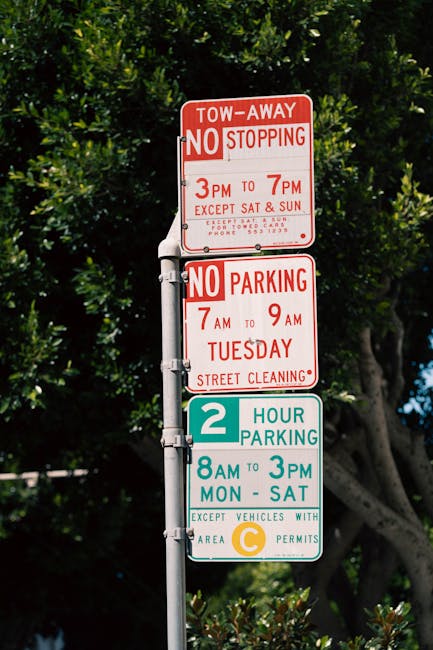
Applying for a skip permit Golders Green Road Barnet Council rules: a practical local guide
If you are planning a clear-out on Golders Green Road, the skip permit question can quickly become the bit that holds everything up. Applying for a skip permit Golders Green Road Barnet Council rules is not especially complicated, but it does need to be handled carefully if the skip is going anywhere near the public highway. Miss one detail and you may end up with delays, extra cost, or a skip delivery that has to be rearranged at the kerbside. Not ideal when the house is already full of bags, old furniture, and that one broken chair nobody admits owning.
This guide explains what a skip permit is, why it matters on Golders Green Road, how the process usually works, and what to watch out for before you book. It also covers practical alternatives, common mistakes, and a sensible checklist so you can move from "we should probably sort this" to an actual plan without the usual faff.
If you are comparing waste removal options as well as skips, you may also find it useful to look at our pricing and quote information, and if you want to understand how waste is handled responsibly, see our recycling and sustainability approach.
Table of Contents
- Why Applying for a skip permit Golders Green Road Barnet Council rules Matters
- How Applying for a skip permit Golders Green Road Barnet Council rules Works
- Key Benefits and Practical Advantages
- Who This Is For and When It Makes Sense
- Step-by-Step Guidance
- Expert Tips for Better Results
- Common Mistakes to Avoid
- Tools, Resources and Recommendations
- Law, Compliance, Standards, or Best Practice
- Options, Methods, or Comparison Table
- Case Study or Real-World Example
- Practical Checklist
- Conclusion
- Frequently Asked Questions
Why Applying for a skip permit Golders Green Road Barnet Council rules Matters
The main reason this matters is simple: a skip placed on a public road usually needs permission. Golders Green Road is a busy stretch, and even a skip that seems small from the pavement can affect parking, visibility, loading, and general traffic flow. Barnet Council rules exist to make sure that road space is managed properly and that the skip is used safely and legally.
For most people, the biggest risk is not the skip itself. It is the assumption that "it will probably be fine." On a quiet side street, that assumption might hold for a moment. On a main road, not so much. If the skip is on private land, you may not need a permit at all. If it is on the road, however, the rules become more relevant straight away.
There is also a practical angle. A proper permit process helps avoid disruption for neighbours, tradespeople, and delivery drivers. It reduces the chance of being asked to move the skip after delivery, which is one of those tiny problems that somehow consumes an entire afternoon. To be fair, nobody wants that.
Expert summary: If your skip will sit on the highway rather than private property, plan for permit approval before delivery. The safest approach is to confirm the exact placement first, then arrange the permit and skip drop together.
How Applying for a skip permit Golders Green Road Barnet Council rules Works
The basic process is usually straightforward, although the details can vary depending on the street, the size of the skip, and how busy the area is. In practice, the process often follows this pattern: you decide where the skip will go, check whether that location is private or public, and then apply for the appropriate permission if needed.
A skip on private drive or private forecourt is generally simpler because it avoids the public highway. But Golders Green Road is the sort of place where access, front garden space, and parking arrangements can all affect the decision. If the skip has to go near the carriageway or on the pavement, the permit side becomes much more important.
Skip hire providers often help coordinate the permit request, although responsibility can sit with the hirer or the contractor depending on the arrangement. That is why it is worth asking the question early. Not after the lorry is already turning up. That always leads to the kind of awkward phone call everybody could have lived without.
In many cases, the council or the permit-holder will want to know:
- the exact location of the skip
- the planned dates for placement and removal
- the size of the skip
- whether lights, cones, or reflective markings are required
- how access for pedestrians and vehicles will be maintained
If you are arranging a larger house clearance rather than a standard DIY load-up, it can help to compare the skip option with a wider clearance service. Our about us page explains the kind of support we provide, while contact us is the place to start if you want a straight answer on what makes sense for your job.
Key Benefits and Practical Advantages
Applying properly for a skip permit is not just about avoiding trouble. It also improves the whole project. A permitted skip is more predictable, easier to schedule, and less likely to be moved or challenged after delivery.
Here are the main benefits people notice in real life:
- Less disruption: the skip can be placed where it is allowed, instead of becoming a roadside guessing game.
- Cleaner project flow: builders, decorators, and householders can keep waste moving instead of stacking it in hallways and gardens.
- Reduced compliance risk: you are less likely to face complaints or enforcement issues.
- Better safety: a properly positioned skip is easier for drivers, pedestrians, and your own team to navigate around.
- Fewer last-minute surprises: nobody likes a delivery cancelled because the location was not approved.
There is also a hidden benefit: planning properly tends to reduce stress. That sounds soft, but it matters. When you are mid-clearance, the practical stuff piles up fast. The permit conversation is one of those small admin jobs that pays back later by simply not becoming a problem.
Who This Is For and When It Makes Sense
This guide is especially relevant if you are:
- clearing a home on or near Golders Green Road
- doing renovations with a mix of rubble, timber, and general waste
- managing a loft, basement, or garden clearance
- coordinating a rental void, probate clearance, or end-of-tenancy clean-out
- working on a project where the driveway is too small for a skip
It also makes sense if your property has limited access. In London, that is very common. A front bay might be too narrow, a dropped kerb may not line up well with the lorry, or the road may simply not have enough room for a skip without affecting traffic. In those cases, the permit question is not a nice-to-have. It is the thing that decides whether the job can happen smoothly at all.
Truth be told, many people only realise this once they are already sorting bags in the kitchen and looking at a pile of old bits in the hall. That is usually the moment to pause, check the placement, and make the permit decision before the pressure builds.
Step-by-Step Guidance
If you want the process to go smoothly, follow a simple sequence. Nothing fancy. Just a method that avoids the common traps.
- Confirm where the skip will sit. Measure the available space and decide whether the skip stays entirely on private land or encroaches on the highway.
- Check the access route. Make sure the lorry can safely reach the location, including height restrictions, turning space, and any parked cars that could block delivery.
- Choose the right skip size. Bigger is not always better. An oversized skip can create more permit and placement friction than a smaller, better-planned option.
- Ask who will handle the permit. Some hire arrangements include application support, while others leave it to the customer. Get that clear from the start.
- Allow time for approval. Do not book a delivery for tomorrow if the permit issue has not been settled. A bit of breathing room helps a lot.
- Prepare the site. Remove parked cars, keep the area clear, and make sure the skip space is ready before delivery.
- Check safety requirements. If the skip is on the road, it may need clear marking or other measures depending on the arrangement and local expectations.
That last point sounds small, but it matters. In the early evening, with traffic moving and light fading, a clearly marked skip is much easier for everyone to deal with than a dark shape sitting near the kerb. Common sense, really.
A simple decision rule
If the skip is fully on your private property, you will often have fewer permit issues. If any part of it is on public land, assume you need to confirm the rules before you go any further. That one habit saves hassle.
Expert Tips for Better Results
After handling a fair number of waste removal jobs, a few patterns become obvious. The jobs that go well are rarely the ones where people rush the smallest details.
Tip 1: measure twice, book once. Driveways and front spaces often look bigger on a wet Wednesday morning than they really are. Tape measure in hand, you can avoid a lot of "we thought it would fit" conversations.
Tip 2: think about loading style. Loose house waste, bathroom tiles, and garden cuttings all behave differently in a skip. A mixed load can fill faster than expected, which affects how many collections you need.
Tip 3: match timing to the real job. If you expect to clear a property over two weekends, do not set the skip period too tightly. Leave a bit of margin for delays, especially in busy urban streets.
Tip 4: keep neighbours in mind. On streets like Golders Green Road, people notice changes fast. A short heads-up can prevent frustration, especially if parking is tight or access is already busy.
Tip 5: ask about waste type early. Some materials need special handling. It is far better to ask in advance than to find out at pickup that certain items were not suitable. Nobody wants that moment.
If your main priority is service reliability, it can also help to review health and safety information and insurance and safety details before booking. Those pages are useful because they show how seriously a provider treats site safety, which matters on any London road.
Common Mistakes to Avoid
The most common mistakes are usually not dramatic. They are small, avoidable slips that create awkward delays.
- Booking before checking placement: a skip booked for the road when it could have gone on private land is often an avoidable complication.
- Assuming the contractor will sort everything: sometimes they do, sometimes they do not. Confirm it in writing or at least clearly over the phone.
- Underestimating access issues: a van may fit, but a skip lorry might not. Different vehicle, different problem.
- Choosing the wrong size: too small means overflow risk; too large can affect placement and cost.
- Leaving the permit conversation too late: this is the classic one. It slows everything down at exactly the wrong moment.
- Ignoring site safety: the skip should not block sight lines, pedestrian routes, or emergency access.
One slightly silly but very real mistake: people sometimes clear the house, stack the waste neatly outside, and then realise there is nowhere legal or practical to put the skip itself. The bags are ready. The skip is not. It happens more often than you would think.
Tools, Resources and Recommendations
You do not need a big toolkit for permit planning, but a few simple things make life easier:
- Measuring tape: to check frontage width, driveway length, and turning clearance.
- Phone camera: useful for sending a photo of the site if a provider asks for a visual check.
- Notebook or notes app: keep the dates, sizes, and placement details in one place.
- Calendar reminder: helpful for permit timing, especially if the skip is needed around a move or renovation deadline.
- Waste separation sacks or boxes: these help keep recyclable items, bulky waste, and general rubbish sorted before the skip arrives.
For people who want a more complete service journey, it can also help to review pricing and quotes alongside the practical service pages. That lets you compare the cost of skip hire against a broader clearance approach, rather than guessing.
And if you are the sort of person who likes the policy details before making a decision, the site's terms and conditions and privacy policy are worth a look. Dry reading, yes, but useful.
Law, Compliance, Standards, or Best Practice
While this article avoids pretending to be the council itself, the general compliance principle is clear: if a skip is placed on public highway space, permission and safe management are normally expected. That means you should treat roadside placement as a controlled activity, not just a delivery drop.
Best practice usually includes:
- confirming whether the skip is on private or public land
- checking who is responsible for the permit
- making sure the skip does not create an avoidable obstruction
- using appropriate safety markings where required
- keeping the site tidy and the waste contained
In a busy area, the practical standard is simple: do not make assumptions. If something feels borderline, ask before booking. That is the safest and most professional approach.
It is also wise to use a provider that takes waste handling seriously. Responsible disposal, recycling where possible, and clear booking terms all form part of a sensible best-practice approach. The paperwork may feel boring, but it is the backbone of a clean job.
Options, Methods, or Comparison Table
Not every job needs a skip permit, and not every waste job is best solved with a skip. Here is a practical comparison to help you decide what fits the situation.
| Option | Best for | Advantages | Watch-outs |
|---|---|---|---|
| Skip on private land | Homes with a suitable driveway or forecourt | Usually simpler, less admin, easier access | Space can be tight; delivery access still matters |
| Skip on public road | Properties without usable private space | Convenient for larger clear-outs | Likely permit requirements, safety controls, timing needs |
| Man and van clearance | Mixed waste, bulky items, quick turnaround | No skip footprint, less roadside disruption | May be less suitable for ongoing loading over several days |
| Mini clearance with staged collections | Smaller projects or phased declutters | Flexible, can suit awkward access | May require more coordination than a single skip drop |
If your site is awkward or the road is already congested, a clearance service can sometimes be the calmer choice. If you have a big, steady stream of waste and a workable place to put it, a skip can be more efficient. The right answer depends on the property, not the theory.
Case Study or Real-World Example
A typical scenario on Golders Green Road might look like this. A family is clearing out a long-occupied flat before refurbishment. There is no suitable driveway, and the front area is too small for open storage. They initially assume a skip can just sit outside for a few days.
Once the placement is checked properly, it becomes clear the skip will need to sit on the road. That changes the plan. The timing has to be coordinated, the permit responsibility confirmed, and the access route checked so the delivery lorry can safely position the skip without blocking the street.
Rather than rushing, they split the work into two phases: loose items and bagged waste first, then the heavier bulky material after the skip is in place. That keeps the hallway clear, avoids last-minute panic, and makes the whole job feel manageable. Nothing dramatic. Just sensible sequencing.
What is the lesson here? The permit was not the obstacle. The assumption was. Once the placement and timing were handled properly, everything got easier.
Practical Checklist
Use this checklist before you book:
- Have I confirmed whether the skip will be on private land or the public highway?
- Do I know who is handling the permit application?
- Is the skip size appropriate for the job?
- Have I checked lorry access, turning room, and street obstruction risk?
- Do I know the planned delivery and collection dates?
- Have I separated out any items that may need special handling?
- Is the site clear, level, and ready for drop-off?
- Have I reviewed safety, insurance, and booking terms?
- Do I understand the recycling and disposal approach?
- Have I built in a bit of time in case the schedule shifts?
If you can tick most of those off, you are in good shape. If not, pause and sort the gaps first. It really does pay to slow down for five minutes now rather than five hours later.
Conclusion
Applying for a skip permit Golders Green Road Barnet Council rules is mostly about planning, location, and common sense. Once you know whether the skip is going on private or public land, the rest becomes much easier to manage. The key is to avoid assumptions, ask about permit responsibility early, and choose the right waste solution for the space you actually have.
For many projects, a skip is the fastest route to getting clutter, rubble, and mixed waste under control. But on a busy London road, the permit side is not a side issue. It is part of the job. Get it right, and the whole process feels smoother, safer, and far less stressful. That is the aim, really.
Get a free quote today and see how much you can save.
If you would like to discuss your plans or check whether your site is suitable, please use our contact page. If you want to understand the business behind the service a little better first, our about us page is a good place to start.
Frequently Asked Questions
Do I need a skip permit on Golders Green Road?
If the skip will sit on the public road or pavement, a permit is commonly required. If it stays fully on private land, you may not need one. The exact position is the deciding factor, so check that first.
Who applies for the skip permit, me or the skip company?
It depends on the arrangement. Some providers handle the process, while others expect the hirer to sort it. Always confirm this before booking so there is no confusion later.
How long does a skip permit usually take?
Timing can vary, and it is sensible not to leave it until the last minute. The safest approach is to plan ahead and allow extra time, especially on a busy road where placement details may need checking.
Can I put a skip on the pavement outside my house?
Not without checking the rules first. Pavement placement affects pedestrian access and safety, so it usually needs clear approval and careful planning. Never assume it is allowed just because it seems convenient.
What happens if I put a skip on the road without permission?
You risk the skip being challenged, moved, or causing avoidable compliance issues. It may also create inconvenience for traffic and neighbours. It is one of those things that is much easier to do properly the first time.
Do I need a permit if the skip goes on my driveway?
Usually not, as long as it is fully on private land and does not obstruct the public highway. Still, make sure the lorry can access the drive safely and that the skip fits without overhanging the road.
What size skip is best for a house clearance?
That depends on the amount and type of waste. A mixed house clearance often fills faster than people expect, especially with bulky items. If in doubt, ask for advice before choosing a size.
Can a skip be delivered on a narrow London street?
Sometimes yes, but access needs to be checked carefully. A narrow street can be fine for a small skip and a competent driver, yet turning room, parked cars, and loading space can all affect what is realistic.
Is a skip cheaper than a full clearance service?
Not always. A skip can work well if you are doing the labour yourself and have suitable space. A clearance service may be better value if access is awkward, the waste is mixed, or you want the job handled quickly and professionally.
What should I check before the skip arrives?
Confirm the placement, make sure the site is clear, remove any parked cars, and check that the space is ready for delivery. It sounds simple, but these small checks save a lot of stress.
Can I put any type of waste in a skip?
No. Some materials need special handling, and certain items may be restricted depending on the hire arrangement. If you are unsure about an item, ask before putting it in the skip. That is the safer path.
How do I make sure the job stays compliant and safe?
Keep the skip in the right place, follow the permit rules, avoid blocking access, and use a provider that takes safety seriously. You can also review the health and safety policy and insurance and safety information for extra reassurance before you commit.
What if I am not sure whether my frontage counts as private land?
If there is any doubt, get it checked before booking. Frontages can be surprisingly tricky, especially where kerbs, dropped access, or shared boundaries are involved. A quick confirmation now is far easier than a cancellation later.
For any questions about the booking process, policies, or service scope, you can also review our terms and conditions and privacy policy, or get in touch directly through contact us. Sometimes a short conversation clears up more than a whole afternoon of guesswork.
And if you have read this far, you probably already know the main thing: plan the placement, confirm the permit side, and the rest gets far easier. Small job, big difference.