Proactive Steps for Tackling Household Waste: A Comprehensive Guide
In today's environmentally conscious world, the issue of household waste has taken center stage. Every year, millions of tons of waste are generated from households around the globe, contributing significantly to landfill, pollution, and depletion of resources. Tackling household waste proactively isn't just a trend--it's a necessity for a sustainable future. This in-depth guide will walk you through smart, actionable, and effective steps to minimize, manage, and properly dispose of your household waste. If you're looking for proactive ways to reduce household waste and make a real impact, read on.
Why Proactive Waste Management Matters in Households
**Being proactive about managing household waste** does more than just keep your home tidy. It also:
- Reduces environmental pollution
- Conserves natural resources
- Lowers carbon footprint
- Saves money in the long-term
- Promotes healthier living spaces
By taking initiatives to reduce home waste, you are not only protecting your local environment but also contributing to global sustainability goals.
1. Conduct a Household Waste Audit
The first and most impactful step in tackling home waste is understanding the types and amounts of waste your household produces. A home waste audit involves collecting, sorting, and analyzing your household trash over a specific period (typically a week).
How to Perform a Household Waste Audit
- Collect all your waste in separate bags--recyclable, compostable, landfill, and hazardous waste.
- Weigh and record the different categories at the end of the period.
- Identify the most common waste items and consider alternatives to reduce them.
This audit enables you to focus your efforts where they matter most, turning waste management into a proactive household habit.
2. Embrace the Principles of Reduce, Reuse, Recycle
The Power of Reduction
The most environmentally friendly solution is always to generate less waste in the first place. To proactively minimize waste at home:
- Buy only what you need. Make shopping lists and stick to them to avoid impulse buying and food spoilage.
- Choose products with minimal packaging or opt for bulk items.
- Opt for digital receipts instead of paper ones.
Reusing: A Second Life for Household Items
Before discarding items, consider whether they can be used again. For example:
- Store food in glass containers instead of plastic wrap.
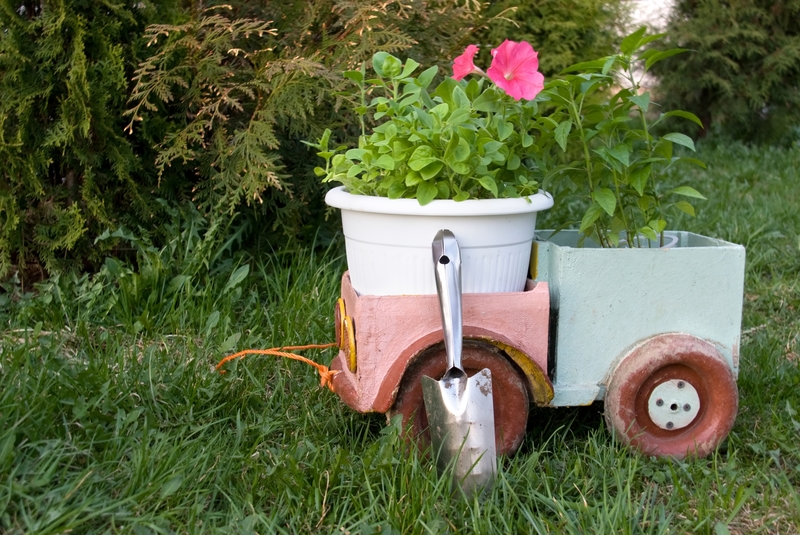
- Repurpose jars as organizers or plant planters.
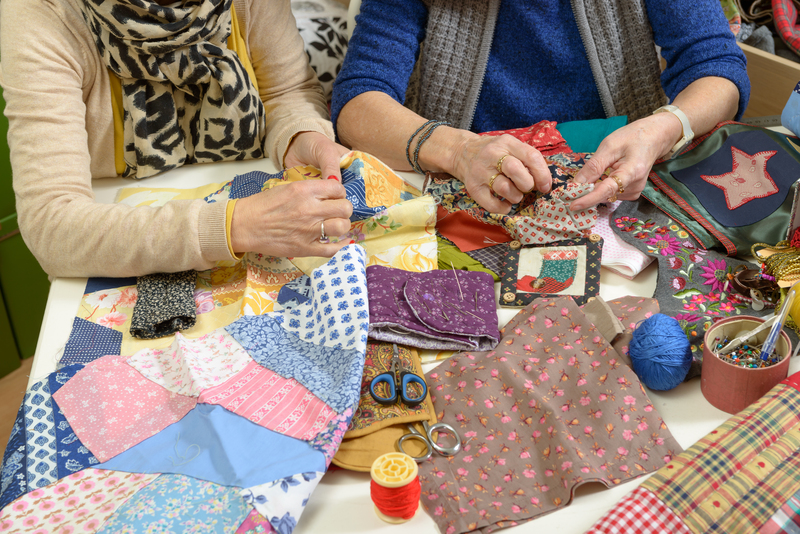
- Turn old clothes into cleaning rags or crafts.
These simple actions are easy ways for tackling household rubbish proactively while saving money.
Recycling Right
Recycling is more than just tossing items into a bin. To maximize positive impact:
- Clean and dry containers before recycling.
- Check your local recycling rules to avoid contamination.
- Drop off hazardous or e-waste at designated centers.
By proactively sorting and cleaning recyclables, you increase their chance of being recycled instead of heading to landfill.
3. Composting: Transforming Food Scraps into Soil
Food waste is a major contributor to household rubbish, but composting offers a powerful solution. Composting is the process of turning kitchen scraps, coffee grounds, and even some paper products into nutrient-rich soil.
How to Start a Kitchen Compost
- Select a compost bin--countertop or outdoor, depending on your space.
- Toss in vegetable peels, eggshells, coffee grounds, and shredded paper.
- Avoid adding dairy, meat, and oils.
- Stir regularly for aeration and faster decomposition.
In a few weeks, you'll have natural fertilizer for your plants, and you'll be actively reducing household organic waste.
4. Smart Shopping Habits to Prevent Excess Household Waste
Much of our waste problem starts with what we buy. Being proactive when shopping can make a huge difference:
- Bring reusable bags, mugs, and containers when you shop or eat out.
- Choose products with recyclable, biodegradable, or little packaging.
- Opt for quality over quantity--select items built to last.
- Avoid single-use plastics such as straws, cutlery, and plates.
These smart habits help you avoid creating waste in the first place, making them a key part of proactive household waste management.
5. Proper Disposal of Hazardous and Electronic Waste
Households often accumulate hazardous items such as batteries, paint, chemicals, and obsolete electronics. Improper disposal not only harms the environment but can also pose health risks.
Safely Tackling Hazardous Household Waste
- Store hazardous waste items separately and never throw them in your regular trash bin.
- Bring them to specialized hazardous waste collection centers or events organized by your local authority.
- Use up products from containers fully before disposal and follow any labels for safe handling.
Electronic Waste Recycling
Old electronics--phones, computers, appliances--are full of materials that can be recycled. Many manufacturers, retailers, and local authorities operate e-waste recycling programs.
- Find out where you can drop off e-waste in your area.
- Erase personal data before recycling devices.
This approach not only prevents pollution but also supports the recovery of valuable materials.
6. Education and Family Involvement in Waste Reduction
Waste management isn't a solo effort. Involve the whole family to make household waste reduction part of your routine:
- Teach children the importance of recycling and composting through fun activities.
- Assign waste sorting duties as a regular household chore.
- Discuss purchases and plan together to avoid excessive buying.
When everyone participates, proactive steps are more likely to stick.
7. Leveraging Technology for Waste Reduction
Today, technology and mobile apps can help you track, manage, and reduce household waste more efficiently:
- Install apps that help you plan meals and minimize food waste.
- Use online platforms to donate or sell unwanted items rather than throwing them out.
- Utilize smart home gadgets for efficient energy and water usage, indirectly minimizing waste.
Digital tools make proactive household waste management much easier and more engaging.
8. Donate and Upcycle to Divert Waste from Landfills
Often, items we consider as waste can find new life with someone else or in another form. Consider:
- Donating gently used clothes, toys, and appliances to local charities or shelters.
- Upcycling furniture, jars, and fabrics into new, functional pieces or decor.
- Organizing community swap events with neighbors and friends.
Not only does this expand the lifecycle of your goods, but it also helps build a more sustainable and interconnected community.
9. Monitor, Measure, and Improve Your Waste Reduction Efforts
Effective waste management is an ongoing process. Set time aside each month to:
- Review what types of waste are most prevalent in your home.
- Track your recycling and composting success rates.
- Identify new opportunities for reduction and reuse.
Celebrate your successes and set new goals for continued improvement. This proactive approach to household trash reduction ensures you're always moving forward.
10. Advocate for Community Solutions
Sometimes, tackling household waste requires action beyond your immediate home:
- Encourage local authorities to increase recycling and composting facilities.
- Participate in neighborhood clean-up events.
- Support policies aimed at reducing packaging waste and encouraging producer responsibility.
As more households proactively manage their waste, the collective impact can drive lasting change.
Quick Tips for Minimizing Household Waste Daily
- Buy in bulk to reduce packaging.
- Say no to freebies you don't need.
- Repair items before replacing them.
- Unsubscribe from junk mail and catalogs.
- Freeze leftovers to prevent food spoilage.
- Choose refillable instead of single-use products.
The Bottom Line: Every Small Step Makes a Big Difference
Tackling household waste proactively is not about perfection, but about making consistent improvements over time. Every effort--no matter how small--adds up to significant changes for your home, your community, and the planet. By carrying out waste reduction strategies at home, you're taking ownership of environmental stewardship and setting a positive example for others.
Remember: Start with one or two steps, build new habits, and gradually implement more. Together, we can build a future with less waste, cleaner neighborhoods, and a healthier Earth.
Ready to take action?
Incorporate these proactive household waste tackling tips today, and be the change you wish to see--in your own home and beyond!