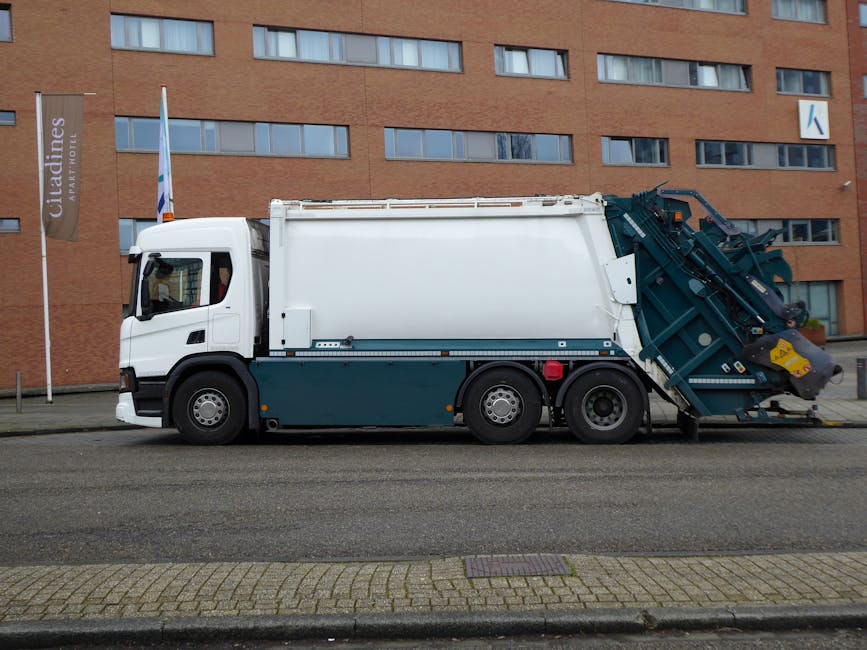
What to know about Barnet Council bulky waste collection rules
If you are staring at an old sofa, a broken wardrobe, or a mattress that has definitely seen better days, you are probably asking the same thing many Barnet households ask: what are the rules, what can be collected, and how do you avoid a wasted booking? This guide on What to know about Barnet Council bulky waste collection rules breaks it all down in plain English. No waffle, no jargon, just the practical stuff that helps you decide whether a council bulky collection is the right move or whether another option makes more sense.
Truth be told, bulky waste is one of those chores that feels simple until you start moving items to the hallway and realise the chair is heavier than it looked, the chest of drawers is awkwardly wide, and the lift is busy. Let's make it easier. Below you will find how the process usually works, what tends to be accepted or refused, the common mistakes people make, and a few sensible alternatives if you need something quicker or more flexible.
Key takeaway: council bulky waste collections are usually best for a small number of large household items, provided you prepare them properly and stay within the council's conditions. If you have a bigger clear-out, mixed waste, or awkward access, a private clearance service may be simpler.
Table of Contents
- Why these rules matter
- How the collection process usually works
- Key benefits and practical advantages
- Who this is for and when it makes sense
- Step-by-step guidance
- Expert tips for better results
- Common mistakes to avoid
- Tools, resources and recommendations
- Law, compliance, standards and best practice
- Options and comparison table
- Case study or real-world example
- Practical checklist
- Conclusion
- Frequently asked questions
Why What to know about Barnet Council bulky waste collection rules Matters
Bulky waste collections sound straightforward, but the rules matter because they shape whether your item is accepted, how it should be left out, and whether you end up paying for a second attempt. That is the bit people often miss. A collection slot is not the same as a general rubbish pickup. Councils tend to work to specific conditions so crews can lift items safely and complete rounds on time.
For Barnet residents, understanding the rules helps in three very practical ways. First, it avoids delays. Second, it reduces the chance of items being rejected on the day. Third, it helps you compare a council booking with other clearance options without guessing. If you only have one bed frame and an old armchair, the council route may be perfectly fine. If you are clearing a flat, a garage, and half the loft at once, you may want to look at a broader service such as house clearance or home clearance.
There is also a safety angle. Bulky waste often includes sharp edges, torn fabric, glass panels, or items that are simply too heavy for one person to handle safely. A clear understanding of the rules means you can prep the item properly and avoid a last-minute scramble on the pavement at 7:30 in the morning. Not ideal, frankly.
How What to know about Barnet Council bulky waste collection rules Works
Most council bulky waste services in London follow a similar pattern, even if the exact booking steps and accepted items vary from one borough to another. In general, you request a collection, specify the items, receive a date or time window, and place the items in the agreed location for crew pickup.
With Barnet, the important thing is to check the current council instructions before booking because bulky waste services can change. That is normal. Councils update pricing, item lists, and preparation rules from time to time to reflect demand and collection capacity. So, the smartest move is to treat the council's published guidance as the final word for the day you book.
Here is the usual shape of the process:
- Identify the item type. Councils often distinguish between furniture, white goods, mattresses, and mixed bulky items.
- Check whether it is accepted. Some items may need specialist handling or may be excluded altogether.
- Book the service. This is commonly done in advance, and slots may be limited.
- Prepare the items properly. Crews usually ask for items to be placed where they can be collected safely.
- Ensure access is clear. No parked car blocking the driveway, no loose bits scattered around the garden path, no hidden surprise behind the bins.
To be fair, that last point sounds obvious, but access issues are one of the most common reasons collections go smoothly for some people and badly for others. A minute spent clearing a route often saves a day of frustration.
If you need a more flexible collection of bulky household items, it can also help to compare council service rules with a dedicated furniture clearance or furniture disposal option, especially where sofas, wardrobes, tables, and bed bases are involved.
Key Benefits and Practical Advantages
There are good reasons people choose council bulky waste collections when the rules fit their situation. They are usually a familiar, local option and can work well for single items or a small number of large pieces. You do not need to hire a van, move everything yourself to a tip, or wonder whether you can legally leave something on the street for a friend to "maybe take later". We have all seen that sort of hopeful arrangement; it rarely ages well.
- Convenience: the council organises the pickup, which suits people who cannot transport large items easily.
- Local service: it is designed for residents, so the process can feel more straightforward than sourcing a random removal option.
- Safer handling: crews are used to lifting bulky items and dealing with the awkward bits.
- Less hassle for small clear-outs: one bed, one sofa, one broken table, done.
- Potentially cost-effective: if you only have a small volume of items, a council collection can be a sensible budget choice.
There is a bigger-picture benefit too: if you know exactly what the council wants, you are less likely to leave items out incorrectly or miss a step. That means fewer missed collections, fewer complaints, and less waste sitting around the property for days. Nobody wants the hallway to become a temporary storage unit.
For households that prefer a broader sustainability-led approach, it is worth reading about recycling and sustainability. Thinking ahead about what can be reused, repaired, or separated often makes the whole process cleaner and less stressful.
Who This Is For and When It Makes Sense
This topic matters most to anyone in Barnet with a few bulky household items that are too large for normal bins but not quite enough to justify a major clearance. Typical examples include:
- old sofas and armchairs
- broken bed frames and mattresses
- dining tables and chairs
- wardrobes, chests of drawers, and bookcases
- broken garden furniture
- large electrical items, where accepted by the council rules
It also matters if you are moving home, dealing with a bereavement, helping a family member downsize, or finally emptying that spare room you have been avoiding since last winter. Let's face it, lots of bulky waste jobs are really life admin jobs in disguise.
Sometimes the council route makes perfect sense. Sometimes it does not. If you have a full property to empty, several roomfuls of items, or a tight deadline before new tenants move in, a service such as flat clearance, garage clearance, or loft clearance may be far more efficient.
The basic decision point is simple: are you handling one-off bulky disposal, or a larger clearance project? That answer usually decides the best route.
Step-by-Step Guidance
If you want the smoothest possible bulky waste collection, follow a proper sequence rather than winging it. A few careful steps upfront usually save a lot of bother later.
1. Make a clear list of what you want removed
Walk through each room and write down every item you want collected. Be specific. "Sofa" is useful; "big soft thing in the lounge" is not. If the item has drawers, detachable legs, loose glass, or batteries, note that too.
2. Check the council rules for acceptance
Before booking, confirm whether the item type is accepted. Some collections do not allow certain electricals, construction waste, gas cylinders, or other specialist items. When in doubt, assume the item may need separate handling until you verify otherwise.
3. Measure large items and confirm access
People often forget access matters as much as the item itself. Can the crew get to the front door? Is there a narrow side passage? Is the item too large to move through the hallway without damage? If you are booking from a top-floor flat, that can change everything.
4. Book in advance and keep the confirmation handy
Do not leave booking until the night before if you can avoid it. Peak periods fill quickly. Keep the confirmation details somewhere obvious so you can check the date, time, and any instructions without digging through emails at the last minute.
5. Prepare the items exactly as required
Some councils ask for items to be dismantled or grouped in a specific place. Remove personal belongings, empty drawers, tape up loose doors if needed, and keep the pickup route clear. If you are leaving items outside, make sure they are secure and not going to blow into the road the second a gust comes through.
6. Settle any payment and timing issues early
If a fee applies, make sure payment is completed through the proper channel. If you need a morning slot because you are heading to work, that is worth planning around. A missed collection can throw off a whole day.
7. Follow up if something changes
If the item size changes, you add extra pieces, or access becomes difficult because a van is parked outside, contact the council as soon as possible. Small changes are easier to manage before the collection date than on the doorstep.
A small but important point: if your job has turned into more than just "one or two bulky items", it may be time to think in terms of a full waste removal service rather than a single collection. That is where waste removal can become the simpler route.
Expert Tips for Better Results
In our experience, the difference between a painless collection and a messy one is rarely luck. It is preparation. The best outcomes usually come from people who treat the collection like an appointment, not a rough idea.
- Photograph each item before booking. It helps you stay accurate about size and condition.
- Break down items where possible. Flat-pack furniture, for example, is far easier to handle when disassembled.
- Separate anything reusable. If a chair is still usable, consider whether it could be passed on rather than treated as waste.
- Clear the route to the pickup point. This matters more than people think, especially in tighter Barnet streets where parking can be a bit of a game of patience.
- Keep children and pets away. Collections can involve moving parts, lifting, and reversing vehicles.
- Ask about awkward items early. If an item has a metal frame, broken glass, or hidden fixings, mention it before the day.
Another practical tip: if you are disposing of furniture pieces that are still structurally sound, ask whether they can be handled within a furniture-focused service rather than lumped into a catch-all booking. Sometimes a slightly different service fit saves both time and effort. A calm hour of sorting is almost always better than an anxious morning trying to separate cushions from frames while the collection window ticks away.
If you are comparing prices and want to understand how a private collection may be quoted, take a look at pricing and quotes. Even if you stay with the council route, it helps to know what other options look like.
Common Mistakes to Avoid
A lot of bulky waste problems are self-inflicted, honestly. Usually not on purpose, just from rushing.
- Assuming every bulky item is accepted. Always verify before booking.
- Leaving the item in the wrong place. Crews may not collect from inside the property unless that is part of the arrangement.
- Blocking access with parked cars or bins. A clear path matters.
- Forgetting to remove personal belongings. Drawers and pockets have a funny habit of hiding sentimental items.
- Booking too late. Especially if you have a move-out deadline.
- Mixing bulky waste with builders' debris. Different waste streams often need different handling.
One common example: someone books a collection for a sofa, then adds an old desk, a mattress, a broken mirror, and two bags of mixed rubbish. That may no longer fit the original service definition. In that case, a broader clearance may be better, possibly something closer to builders waste clearance if the waste includes renovation material, or a fuller property clearance if it is household clutter rather than one-off furniture.
Another easy mistake is leaving items outside too early. It sounds practical until rain soaks the fabric, or the item goes missing before the crew arrives. Not exactly the dream scenario.
Tools, Resources and Recommendations
You do not need fancy equipment for a bulky waste collection, but a few simple tools make the job easier.
- Measuring tape: helpful for checking whether an item can be moved safely.
- Screwdriver or Allen key: useful for dismantling furniture.
- Sticky tape or straps: can secure loose doors or cable bundles.
- Marker pen: handy for labelling parts if you take items apart.
- Phone camera: great for records, comparison, and booking accuracy.
On the planning side, a few webpages on the same site can help if your bulky waste job is part of a bigger move or clearance. For example, about us gives you a sense of the company behind the service, while insurance and safety is useful when you want peace of mind around handling and access. If you are checking what happens after collection, recycling and sustainability explains the environmentally responsible side in more detail.
Also worth knowing: if you are dealing with an entire home rather than a few items, a service like house clearance or home clearance is usually a better fit than trying to force everything into a basic bulky waste request.
Law, Compliance, Standards, or Best Practice
When it comes to bulky waste, compliance is mostly about handling waste responsibly, using the correct service, and making sure items are presented safely and lawfully. You do not need to become a legal expert, but a few norms are worth keeping in mind.
First, councils generally expect waste to be presented in the way they specify. That may include limits on item type, size, quantity, and the exact collection point. If you ignore those conditions, the collection may be refused or classed as incomplete. That is frustrating, and avoidable.
Second, good waste practice means separating reusable or recyclable material where possible. Not everything needs to go straight to disposal. A wardrobe with salvageable panels may be suitable for reuse or material recovery, depending on condition.
Third, if your waste comes from business activity rather than domestic use, the rules can be different. Business waste often needs separate arrangements, so do not assume a household bulky pickup is the right route for an office, shop, or trade job. If that sounds closer to your situation, a dedicated business waste removal service may be more appropriate.
Finally, safety matters. Heavy lifting, sharp materials, and poor access can turn a simple collection into a risky one. That is why experienced crews and proper preparation are important. Good practice is not complicated; it is just careful.
Options, Methods, or Comparison Table
If you are deciding between the council route and a private clearance option, this table should help. It is not about one being "better" in every case. It is about fit.
| Option | Best for | Pros | Possible drawbacks |
|---|---|---|---|
| Barnet Council bulky waste collection | One or a few large household items | Local, familiar, good for simple collections | May have strict item rules, booking limits, and less flexibility |
| Furniture-focused clearance | Sofas, beds, wardrobes, mixed furniture | Better for multiple pieces, often more flexible | May cost more than a simple council pickup |
| Full house or home clearance | Whole rooms, inherited homes, move-outs | Handles large volumes and awkward access | More than you need for just one item |
| Waste removal service | Mixed household waste or larger projects | Good when items do not fit a narrow bulky category | Requires clear scope and proper booking |
If the job includes a garage full of mixed bits, some garden waste, and a worn-out sofa, the council bulky service might only solve part of the problem. In that case, combining different approaches or choosing a broader clearance service may be the less stressful option. Sometimes the quickest route is not the cheapest on paper, but the one that gets it done properly. That matters too.
Case Study or Real-World Example
Here is a realistic scenario. A couple in Barnet are preparing to move out of a first-floor flat. They have one sofa, a mattress, a broken TV unit, and a few kitchen stools. At first, they think a council bulky collection will handle everything in one go. Then they check the item list and realise the sofa and mattress are fine, but the TV unit has glass panels and the stools are awkwardly mixed with loose screws and a bag of miscellaneous clutter.
Rather than forcing it into one uncertain booking, they split the job. The sofa and mattress go through a bulky collection request. The rest is bundled into a separate removal plan, where items can be checked, lifted, and disposed of together. The result? Less stress, fewer last-minute surprises, and no panic on the morning of the move. Simple, really.
That sort of split approach is common in real life. Not every item belongs in the same disposal route. Once people accept that, the whole process becomes a lot calmer.
Practical Checklist
Use this checklist before you book or leave anything out for collection.
- Have I confirmed whether the item is accepted?
- Have I listed every item accurately?
- Do I know where the collection will take place?
- Have I cleared the access route?
- Have I removed all personal belongings?
- Have I dismantled anything that can be safely taken apart?
- Have I checked the booking date and time window?
- Have I confirmed payment, if required?
- Do I need a broader service because the job is bigger than a few items?
- Have I considered whether anything can be reused or recycled?
If you can tick all of those off, you are in a good place. If not, pause for five minutes and sort the gaps before the collection day. It is a small thing, but it makes a real difference.
Conclusion
Understanding What to know about Barnet Council bulky waste collection rules is mostly about being specific, prepared, and realistic about the size of the job. If you have a small number of acceptable bulky items and you can follow the council's instructions carefully, the service can work very well. If your clear-out has grown beyond one or two items, or the access and sorting are getting fiddly, a broader clearance option may save you time and energy.
The main thing is not to guess. Check the item type, prepare it properly, and choose the route that actually fits what you need. That is the whole game, really. Done well, bulky waste removal becomes one less thing hanging over your week.
Get a free quote today and see how much you can save.
Frequently Asked Questions
What items are usually classed as bulky waste?
Bulky waste usually means large household items that do not fit in normal bins, such as sofas, mattresses, wardrobes, tables, chairs, and other oversized furniture. Exact acceptance depends on the council's current rules.
Do I need to dismantle furniture before collection?
Not always, but it often helps. If an item can be safely broken down into manageable pieces, it is usually easier to collect and less likely to cause access problems. Always follow the council's specific instructions.
Can Barnet Council collect electrical items as bulky waste?
Sometimes electrical items are accepted, but not every appliance or device will be treated the same way. Check the council's current guidance before assuming a TV, fridge, or other electrical item can go in a standard bulky collection.
What if I have more than a couple of items?
If the collection starts to look like a full room clear-out, a bulky waste booking may no longer be the best fit. A wider clearance service can be easier, especially for mixed items or larger volumes.
Can I leave the items on the pavement the night before?
Usually you should only place items out according to the council's instructions and timing. Leaving items out too early can create safety issues, weather damage, or even theft before collection.
Why was my bulky waste collection refused?
Common reasons include wrong item type, poor access, incorrect presentation, extra items added after booking, or items left in the wrong location. A refusal is often about preparation rather than the item alone.
Is council bulky waste cheaper than private clearance?
It can be, especially for a small number of items. But if you need multiple visits, special handling, or a more flexible pickup, the overall value may be better with a private clearance service.
What should I do with items that could still be reused?
If an item is still usable, consider reuse or donation before disposal. That is often a better environmental choice and can reduce the amount of waste needing collection in the first place.
Can I include garden waste with bulky household items?
Usually garden waste is handled differently from general bulky items. A mixed load may need a different service, particularly if branches, soil, or shed parts are involved.
What if I live in a flat with limited access?
Limited access can make bulky waste collections trickier. Measure doorways, stairwells, and turning space in advance, and consider whether a flat-focused or broader clearance service would be simpler.
How far in advance should I book?
As early as you reasonably can. Availability can vary, and leaving it until the last minute increases the risk of missing your preferred date or having to rush the preparation.
Where can I learn more about company policies and service standards?
If you are comparing providers, it can be useful to look at pages such as terms and conditions, complaints procedure, and health and safety policy so you understand how the service is run and what to expect.